





Why Qbet Casino Login Sets The Tone
The first minutes inside an account say more than any banner ever will. A player opens the platform, reaches the entry area, and immediately starts measuring the whole product through small things - speed, clarity, spacing, button order, and whether the next move feels obvious or slightly annoying. That first reaction sticks.
For adult players in Canada, this matters because casino use often happens in small, real-life windows. Late evening. A lunch break. Ten minutes on the sofa before doing something else. In those short visits, nobody wants to fight the screen. The account route has to feel ordered right away or the session already starts heavier than it should.
A clean entry flow does not need to look flashy. It needs to remove hesitation. A player checks the balance, opens the menu, reviews recent account activity, and knows where the cashier and support sections sit without hunting for them. That kind of order does not shout. It simply works.
How The Account Area Supports The Account Area Supports Real Daily Use
A strong account area should feel built for repetition. Not for one grand first impression, but for the tenth visit, the twentieth, the ordinary visit when the player already knows the brand and simply wants to get in, do one or two things, and leave without wasting time.
Say the session starts on a phone while dinner is still on the stove. The player opens the account to confirm recent activity, maybe check the wallet, maybe browse for a few minutes. In that moment, the structure matters more than visual polish. Can the main tabs be found fast? Does the profile area feel separate from the games, or does everything blur into one long stream?
That separation is important. When account details, session controls, cashier access, and support routes sit in logical places, the platform feels more mature. It gives the player a sense that actions have boundaries. One area for money movement. One for profile details. One for gaming. One for help. It sounds basic. It is basic. That is exactly the point.
A cluttered layout does the opposite. It drags unrelated actions into the same visual space and makes short visits feel longer than they are. A player who came in for a two-minute check ends up tapping around for six.
How Qbet Sign Up Feels On A Smaller Screen
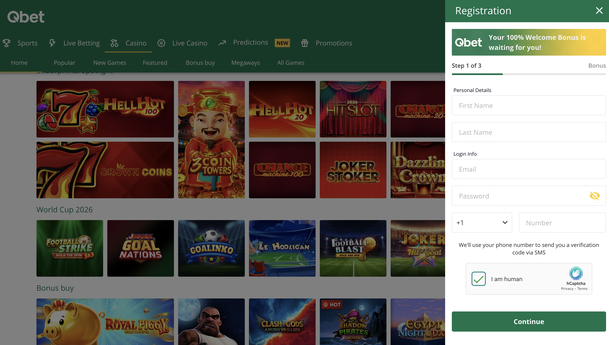
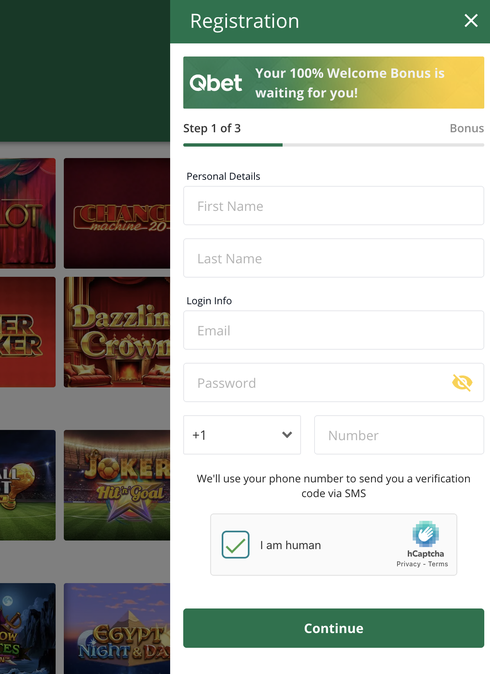
Account creation on mobile tells the truth very quickly. A desktop layout can hide weak decisions for a while, though a phone rarely does. Tight spacing, vague labels, awkward field order, or an unclear next button all become obvious within seconds.
A player starting registration on the train is not looking for drama. The need is simple: enter the details, understand what comes next, and finish the step without second-guessing every field. That is why the sign-up route should feel measured, not rushed.
The better mobile flow moves in straight lines. First the basics. Then confirmation steps. Then a clear route into the account. Every extra moment of confusion makes the product feel less trustworthy before the player has even looked at the lobby.
Where Early Friction Usually Appears
Most friction shows up in boring places. The labels feel too broad. The page asks for something before explaining why it matters. The player reaches the end of one screen and is not fully sure what the next screen will be for. None of that looks dramatic on paper, though during real use it adds noise fast.
Late at night, a new player may pause halfway through setup just because the structure no longer feels predictable. That pause is useful feedback. When sign-up feels stable, people rarely stop for structural reasons. They stop because they choose to, not because the page pushed them into uncertainty.
Navigation, Games, And Short Session Rhythm
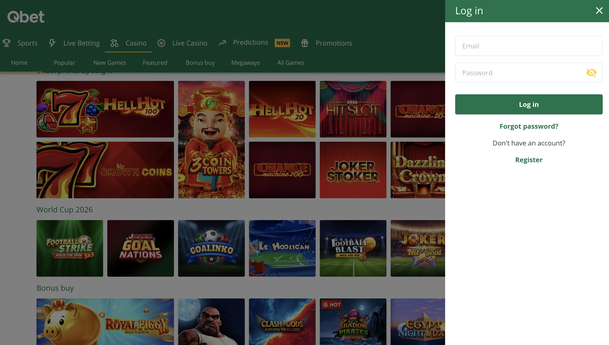
Once the player is inside, the real review begins. Not the marketing review. The usage review. How smoothly does the platform move from the account area into the game sections? How easy is it to step back? Does the menu stay understandable after five minutes, not only after five seconds?
A good mobile casino experience respects short sessions. A player may enter the site, review the account, open one category, check a few tiles, and exit. That is not a failed visit. That is normal use. The platform should support that rhythm instead of acting as though every session must turn into a long stay.
The lobby plays a huge role here. Categories should narrow choices rather than multiply them. Search should help, not overwhelm. Filters should reduce visual noise. A player opening the casino during a coffee break should be able to move from the account area into the entertainment side without losing the thread of the session.
That thread matters. Once the structure gets noisy, attention starts leaking. A few extra banners, a few weak labels, one messy menu path - and suddenly the player is not making choices so much as reacting to clutter.
Area | What The Player Needs | Why It Matters |
|---|---|---|
Account summary | Balance, recent actions, profile path | Creates context before any next step |
Game lobby | Search, categories, readable tiles | Keeps browsing shorter and clearer |
Cashier | Method list, amount review, clean exit route | Reduces rushed money decisions |
Support | Visible help access near core account sections | Lowers tension when questions appear |
Control tools | Limits, reminders, pause options | Supports steadier adult play |
What The Cashier Says About Trust
The money section often says more about a platform than the game catalogue. That is where design either supports real-world use or reveals that it was built with more attention to appearance than to clarity. A readable cashier feels calm. A weak one feels pushy, vague, or strangely crowded.
A player opens the wallet area after work, checks the method list, reviews the amount field, and wants a plain answer to a plain question: what happens next? The best cashier screens answer that without making the player interpret design tricks. The next step is clear. The review stage is visible. The route back is obvious.
That matters for deposits. It matters even more for withdrawals. A withdrawal is rarely just a button press in the player’s mind. It is a trust moment. The player wants to know where the action belongs, what details should be checked, and how the account will reflect the request afterward. Fixed promises are not the point here. Clear process is.
The smartest rhythm is boring and practical. Review recent account activity first. Open the money section second. Choose the method. Enter the amount. Read the summary again. Confirm only after the flow feels fully understood. That sequence prevents a lot of avoidable mess.
Why Small Cashier Details Matter More Than People Expect
Trust often rises on tiny details. A visible amount box. A readable review screen. An obvious confirmation step. A clear distinction between one method and another. These are not glamorous features, though they influence confidence more than loud promotional language ever could.
A player checking the wallet on a phone while the television is running in the background notices those details instantly. When the structure stays readable under distraction, the platform feels more dependable.
Mobile Flow And Device-Specific Comfort
Mobile comfort is not only about whether a platform technically opens on a phone. That is the lowest bar. Real comfort comes from whether the session feels stable once a player starts moving through ordinary tasks: signing in, browsing, opening the cashier, checking support, adjusting session controls, and exiting without confusion.
This is where many casino products expose their real priorities. Some are clearly designed for repeated mobile use. Others feel like desktop pages squeezed into smaller screens and asked to survive. The difference shows up fast. Buttons sit too close together. Menus grow awkward. Help paths disappear into secondary layers.
A stronger experience keeps the essentials near the surface. The player should not need a scavenger hunt to find the profile, a game category, the wallet, and the responsible play tools. These are core areas. They should behave like core areas.
A short late-evening session makes that obvious. The player enters from the phone, checks one or two account details, opens the lobby, and considers staying longer. When the mobile flow supports that natural progression, the platform feels more confident. When the flow resists it, the player feels the drag immediately.
Why Fast Phone Visits Reveal Weak Design
Phone visits strip away spare patience. On a large screen, a player may tolerate clutter for a while. On mobile, every weak decision gets judged faster. Large visual blocks, unclear taps, buried menus, and inconsistent page depth all feel heavier because the user has less room, less time, and less willingness to experiment.
That is why a two-minute session can be more revealing than a forty-minute one. A platform either supports efficient mobile use or it does not. The truth appears quickly.
How A Player Keeps The Session More Ordered
The easiest way to keep the experience clear is to follow the same rough sequence each time. Start in the account area. Review recent activity. Visit the lobby. Open the cashier only when needed. Keep the help path in mind. This simple order reduces unnecessary drifting.
A player who does that tends to make steadier choices because each part of the session has a role. The visit feels less scattered. And once the session feels less scattered, the whole product often feels better.
Support, Limits, And Responsible Control
Support affects the mood of a casino site even when the player never contacts it. Just seeing a visible, usable help path changes the atmosphere. It tells the player that confusion has a place to go. That matters. Especially on mobile, where hidden support feels less like a design oversight and more like a choice.
The same goes for account control tools. Limits, reminders, and pause options should not feel like dusty extras stored in a forgotten corner. They belong near the real pressure points of use - profile settings, wallet activity, session management. The closer they are to real decisions, the more useful they become.
For adult players in Canada, these tools are part of normal account design. Not decoration. Not moral theater. Real tools for real moments. A player may begin the evening with a calm plan, then an hour later feel the session slipping into repetition. At that point, visibility matters more than wording. The control route must be easy to find before the mood worsens.
Another overlooked point: support and control tools work together. When help is visible and session boundaries are visible, the account feels better managed. The product stops feeling like a collection of separate pages and starts feeling like one connected environment with rules and edges.
A player checking the account after midnight may never open support and may never touch a pause tool. Still, knowing where both sit changes the tone of the whole visit. It adds structure before structure is tested.
Who May Like This Style Of Casino Platform
This type of casino environment tends to suit players who value order more than spectacle. Not minimalism for its own sake. Just order. They want readable account access, a clear wallet path, visible support, and a lobby that does not bury every choice under extra layers.
That includes people who use the platform in bursts instead of marathons. One check in the afternoon. Another after dinner. A short game session later on. Those players often judge the product through repetition, not through one grand first impression. They notice whether the platform stays coherent across many short visits.
Some users want the thinnest possible interface and may find any broader layout slightly layered. Others like having more visible tools because it reduces guesswork. Neither reaction is wrong. It comes down to fit. The stronger question is whether the platform seems to know what kind of experience it is trying to offer.
A good test is simple. Open the account. Review recent activity. Browse one category. Locate support. Visit the wallet. Check the session controls. Leave. That sequence reveals far more than a slogan or banner ever could.