





Why Mobile Access Changes The Whole Session
A mobile casino experience feels different from desktop play from the very first tap. The device is already in your hand, the login is usually faster, and the distance between impulse and action becomes much smaller. That is exactly why adult players need more structure, not less, when they use a phone instead of a laptop.
If you open the platform while commuting, waiting for food, or sitting on the couch late at night, the session can begin before you have fully decided what the session is for. That is the practical risk of convenience. It is not that mobile access is bad. It is that speed can quietly replace planning if you let it.
Players in Canada who meet local age requirements often prefer the mobile route because it is flexible and easy to fit into the day. But flexibility only helps when the visit still has shape. You need to know whether you are checking the account, playing for a short window, or simply reviewing balances and settings. Without that decision, the visit becomes reactive.
A stronger approach is simple. Use the first minute to review the account area, the cashier, the history section, and the limit tools. That one-minute pause changes the tone of the whole experience. The phone stops behaving like a shortcut to instant play and starts behaving like a controlled way to access the platform.
Qbet Apk Download And Safe Mobile Setup
Installation should feel calm, not urgent. When a player rushes through setup, small problems appear later in exactly the places where clarity matters most: login, permissions, account access, and payment confirmation. A careful install is not glamorous, but it creates a smoother visit.
Many players treat mobile setup like a technical chore they want to finish as fast as possible. That usually leads to skipped screens, ignored settings, and a device that is technically ready but not practically prepared. A better routine is to slow down and treat installation as the first step of account control, not as a barrier before the real session begins.
Before you complete setup, check storage space, device version, notification settings, and whether the phone is one you use privately. Shared devices create their own problems. So do phones with overcrowded storage, frequent crashes, or outdated software. The mobile version may still open, but a shaky setup makes the whole session feel less stable than it needs to be.
Another practical detail matters here. Installation is not only about getting the software onto the device. It is also about deciding where the product belongs in your routine. Does it live on the main screen where every idle moment becomes a temptation, or does it stay somewhere less visible so every session still feels chosen? That tiny choice can influence habits more than players expect.
What Players Should Check Before Installing
Start with the basics. Is the device updated? Is there enough storage? Is the battery healthy enough for a stable session? Can you use the phone privately without other people seeing balances, messages, or payment steps? These questions sound simple because they are simple, and that is exactly why they work.
A common situation proves the point. One player installs the mobile product on a well-maintained device, checks permissions, and confirms that the session can be handled privately. Another installs it on a cluttered phone with pop-up chaos, weak battery life, and barely any storage left. The first session feels calm. The second feels like something might break at any moment.
You do not need a perfect device. You need a dependable one. A clean setup reduces the number of small distractions that later become excuses for rushed decisions.
How Account Access Should Feel After Setup
Once installation is complete, the next test is account readability. Can you log in without friction? Can you see where history sits, where balance changes appear, and where support or account notices will show up if needed? A mobile build should not hide important control areas just because the screen is smaller.
If the first login already feels messy, that is useful information. Maybe the layout is too crowded. Maybe the navigation makes basic areas harder to reach than they should be. Adult players do best when the account feels readable from the opening minute. The smaller screen should make the visit more focused, not more confusing.

How To Use The Mobile Lobby Without Losing Focus
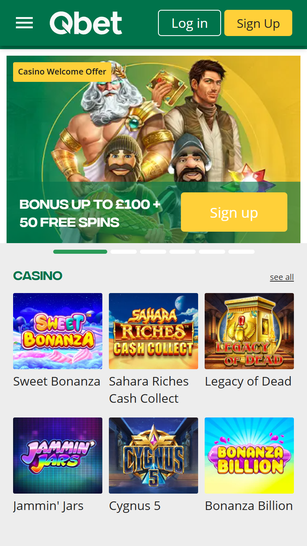
Most players think the main challenge on mobile is technical. In practice, the bigger challenge is attention. A phone is built for interruption. Messages appear. Other apps compete for focus. The device moves with you through places and moods that are not equally good for gambling decisions.
That is why the lobby needs to be approached with more intention on a phone than on a desktop. If you only have twenty minutes, act like you only have twenty minutes. Pick one category, learn the key controls, and avoid wandering. A short session should look short on screen.
Many adults make the same mistake here. They treat the smaller device like permission to make the session smaller in their mind, as if quick access means small consequences. It does not. Fast entry often makes the visit longer because the player underestimates how quickly time disappears once the interface is already open.
A better habit is to define the reason for opening the mobile version before you even tap it. Are you checking the account, making one deposit, testing navigation, or spending a short fixed amount on one format only? The answer should exist before the lobby loads.
Why One Category Works Better Than Five
Mobile screens reward narrow decisions. One category, one pace, one short plan. When players jump across multiple sections on a phone, the session becomes harder to read because every switch resets attention and makes the visit feel more fragmented. That fragmentation often turns into longer sessions and weaker control.
For example, a player opens one section, then notices another tile, then another. Ten minutes later the original purpose of the visit is already gone. Narrow sessions feel less exciting at first, but they usually feel more deliberate by the time the evening ends.
Notifications, Distractions, And Session Drift
Phones are interruption machines. A text message, a social notification, a battery warning, a work ping - all of these can split attention at the exact wrong moment. That does not mean mobile play is impossible. It means distraction must be treated as part of the setup, not as an afterthought.
If you know a session is about to start, silence what you can. Use a place where you can actually see the screen clearly and think clearly. The best mobile sessions tend to happen when the player reduces noise before the first round, not after the mood has already started shifting.
Deposits, Limits, And Withdrawal Thinking On A Phone
The cashier looks simple on mobile, and that simplicity can be deceptive. The smaller screen compresses information, which makes the next step feel closer than it really is. That is why money decisions need to be made before the cashier opens, not while you are already staring at numbers.
A fixed amount is stronger than a flexible feeling. One player arrives with a clear ceiling already decided. Another opens the payment area with only a rough idea and lets the screen influence the amount. The second experience feels smooth in the moment, but it creates more room for rationalizing extra deposits later.
Adults in Canada usually benefit from keeping entertainment funds mentally separate from daily money. Rent, groceries, fuel, transport, and savings should not blend into the same category as mobile play. Even if that boundary exists only in your own head, it matters because it keeps the session readable.
A useful checklist helps here:
Area To Review | Why It Matters | Practical Move |
|---|---|---|
Device Settings | Shows whether alerts or lock settings may interrupt play | Silence distractions before the session |
Budget Tools | Defines daily, weekly, or session limits | Set them before any deposit |
Payment Menu | Reveals which method feels clear and familiar | Use the route you understand best |
History Section | Shows money in, money out, and recent activity | Review after each visit |
Support Access | Explains what to do if something looks unclear | Write short factual messages if needed |
This table is not there to promise timing or exact outcomes. It is there to reduce friction. When a player reviews these five areas first, the rest of the session becomes easier to manage because fewer important decisions are made on the fly.
Another point matters just as much as the deposit itself: leaving. A stop rule should exist before the session becomes emotional. On a phone, this is even more important because the exit is always one tap away and, strangely, that can make it harder to take when the mood starts arguing with the plan.
Why Small Top-Ups Feel Harmless Until They Are Not
Repeated small payments often feel less serious than one clearly planned amount. On a phone that effect becomes even stronger because each step is quick. The player tells themselves it is only a little more, then only a little more again. Later, the total says something very different from the feeling of each separate action.
A common pattern is easy to recognize. The first amount disappears faster than expected. The session does not feel finished yet. Another small payment looks reasonable. Then another. The problem is not the size of one payment. It is that the visit has stopped following a boundary and started following momentum.
Mobile Security, Updates, And Everyday Confidence
Mobile confidence comes from boring things: device updates, strong passwords, stable software, and private use. Players often think security is a big dramatic topic, but in daily life it is mostly about routine. A modern phone with current software, a solid lock method, and a clean app environment gives the player less to worry about during the actual session.
If you install on a device that is already cluttered, outdated, or frequently used by other people, you are creating avoidable friction before anything interesting happens. That friction may not show itself immediately. It usually appears later through slower performance, weaker privacy, or confusion around saved account details.
Updates matter for another reason too. A mobile product that works acceptably one month may behave differently later if the device environment changes. Keeping the phone current helps preserve stability. The goal is not perfection. The goal is to avoid turning the device itself into a source of stress.
Many players also underestimate how much privacy affects confidence. If you are using a phone in spaces where notifications, balances, or login steps can be seen by other people, the whole session becomes more rushed. Privacy is not just a security preference. It is part of adult decision-making.
What Makes A Device Feel Safe Enough For Play
A safe-feeling device is not magical. It is updated, personally controlled, and free from obvious clutter. The player knows who else touches it, where balance messages may appear, and whether saved details are visible to someone else. That practical confidence helps the session stay focused on choices rather than on background worry.
In practice, this often means one simple rule: if you would not handle banking or private account details on that device in that setting, do not treat it as the right place for a gambling session either.
When Updates Deserve More Attention
Updates are easy to ignore when everything seems to be working. That is exactly when people ignore them. The trouble is that ignored updates often create subtle instability rather than one obvious failure. Sessions feel less smooth, screens load strangely, or settings behave differently than expected.
A better routine is to treat updates as part of account maintenance. Not exciting, not difficult, just necessary. Players who respect that routine often experience fewer small interruptions later, and those small interruptions matter more than people think when real money and limited attention are involved.
Support, Troubleshooting, And Real-World Mobile Habits
Support matters long before anything goes wrong. On mobile, it matters even more because smaller screens make unclear prompts feel heavier. Can you find help quickly? Do messages explain the next step? Does the support path feel like a real route from confusion to action, or does it feel like wandering through filler?
A common problem is not a major technical issue. It is uncertainty. The player sees a prompt, a balance delay, a login question, or a payment step that feels unclear, and instead of stopping to read carefully, they keep moving. That is how small issues become messy ones. On mobile, fast hands often create bigger problems than the original message ever would have caused.
Player feedback should be read carefully too. One enthusiastic comment does not prove much. One angry complaint does not prove much either. Patterns matter. If many users mention the same kind of friction around setup, support, or everyday use, that is worth paying attention to. The goal is not to be impressed by confidence. The goal is to understand the process.
Mobile habits also deserve honesty. If the platform is becoming something you open in every spare minute, that is a real signal. Quick access should not mean constant access. Adult players do better when they treat the phone as a tool for chosen sessions, not as an always-open door.
How To Write A Useful Support Message
The strongest support message is brief and factual. State what happened, where it happened, and when it happened. Mention what you already tried. That gives support something concrete to work with and keeps the situation smaller in your own mind as well.
Many players send frustration first and facts second. That feels natural when the screen is already in your hand. It rarely saves time. A calm note works better because it helps the other side see the issue the way you saw it.
Why Short Sessions Still Need Hard Stops
A short session sounds safe because it sounds limited. In reality, short sessions often turn long precisely because they start casually. "Just a few minutes" is one of the easiest ways to remove structure from the visit. On mobile, that effect is even stronger because the device is always close by.
The better move is to define the stop point before the session begins. Not later, not once the mood has changed, and not when the balance starts arguing with you. A short planned visit feels very different from a short visit that is allowed to keep extending itself.